About

Bibliothecarius Modernus is an open library of Latin Christian and medieval texts that are difficult to find in English. The collection focuses especially on works that have never been translated, survive only in old or hard-to-find translations, or receive little attention outside specialist scholarship.
Each edition brings the Latin source and English translation together in one place, along with contextual research, a bibliography, audio, video, and reusable text and metadata.
Browse the collection Search the library View the open text corpus
Why this exists
Digitization has solved only part of the access problem.
A nineteenth-century Latin edition may be freely available online and still remain effectively closed to anyone who cannot read Latin. A work may have an English translation that survives in a book held by only a handful of libraries. A manuscript may be available in excellent digital photographs while having no searchable Latin transcription at all.
Bibliothecarius Modernus exists to make more of that material usable.
The emphasis is on texts that have fallen into relative obscurity, not because they are necessarily unimportant, but because translation and publication have always required time, money, and specialized attention. Modern tools have changed what one person can reasonably attempt, which makes it possible to work through material that might otherwise continue to sit unread.
Completeness and the choice of source
My preference is to publish as much of a work as the surviving source allows.
For most printed works, that means translating the complete text rather than selecting a few interesting passages. Longer works may appear in installments, but those divisions should follow the structure of the work, such as books, chapters, sermons, or letters. Manuscripts present a different problem. Sometimes the manuscript itself preserves only a fragment, the beginning or ending is missing, or the text survives imperfectly. In those cases, the aim is not artificial completeness, but a complete presentation of what the source actually preserves.
The Latin text used here is also not always the text a specialist would choose for a modern critical edition. Much of the collection has grown out of a particular digitized edition or manuscript tradition because that was the material available and practical to work from. Where a better text can reasonably be identified and used, I would prefer to use it. Still, the project has generally favored practicality over waiting for ideal circumstances.
That distinction matters. Bibliothecarius Modernus is not attempting to establish the definitive text of every work. The source used for an edition should instead be stated plainly enough that a reader can judge it, compare it with other editions, or improve on it later.
A typical edition includes the English translation, the Latin source alongside it, an introduction and bibliography, an audio edition, a video edition, and downloadable text and metadata. Some readers may want the parallel text, while others may only need the audio or a plain-text file. The same source should be useful in several different ways.
How the translations are made
AI is part of the production process because it makes the scale of the project possible.
I use AI for translation, research, and some production tasks, while retaining responsibility for selection, source checking, review, corrections, and publication. Newer editions are checked for complete source coverage, reviewed independently, and corrected before publication. Research is checked against the sources it cites rather than accepted simply because a model supplied a reference.
The Latin remains visible alongside the English so that readers who know Latin can evaluate the translation directly. Readers should not have to trust a translation simply because it appears on a finished website.
These are not critical editions, and they are not presented as such. Their purpose is to make neglected texts accessible while keeping the source and editorial process visible enough for someone else to examine the work.
Digitized sources and manuscript transcription
Most of the collection has been produced from digitized sources. Much of it comes from scans of older printed editions, especially Migne's Patrologia Latina, although other editions are used when available.
Digitized manuscripts create a different kind of access problem. A library may provide excellent images of a medieval codex while offering no searchable transcription of the text on the page. In those cases, the first task is not translation but transcription.
Where an openly digitized manuscript contains worthwhile material and no usable Latin text exists, Bibliothecarius Modernus may produce a transcription before translating it. The repository, shelfmark, folio references, method, uncertainties, and revision history remain attached to the transcription so that readers can return to the manuscript and check the reading for themselves.
This work also has to remain modest about what a single witness can establish. A transcription of one manuscript represents that manuscript. It does not automatically establish the best reading across an entire textual tradition.
Open by default
The project is meant to be reused.
Translations, research, metadata, and original transcriptions created by Bibliothecarius Modernus are released under CC0. The historical Latin sources are public domain. Project software is open source, while the methodological documentation is separately licensed for reuse with attribution. Details: Licensing.
If a translation here helps someone prepare a better translation, teach a class, build a dataset, write an article, or create another edition, that is a good outcome. There is no need to ask permission first.
About the project
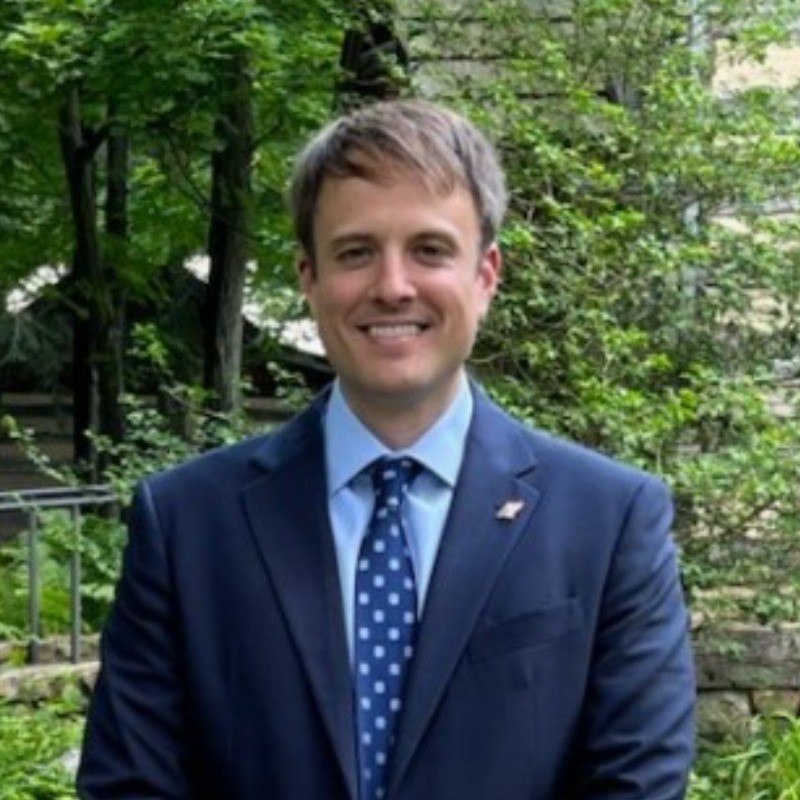
Bibliothecarius Modernus is an independent project maintained by Ryan Wolfslayer, a librarian and programmer with a background in digital librarianship.
The project combines fairly traditional library concerns, including access, preservation, description, provenance, and reuse, with tools that make it possible for one person to work through a much larger body of material than would otherwise be practical.
Contact: bibliothecarius.modernus@gmail.com
Professional: LinkedIn
ORCID: 0000-0001-8914-9706